

Blog
Recent Posts
Are Your Vitamin D Levels Critical?
November 3, 2014
The LeBron James Diet
September 29, 2014
6 Signs You Might Be Dehydrated
August 28, 2014
Archives
Categories
Blog
8 Greatest Probiotic Foods You Should Be Eating
 80% of your immune system resides in your gut. Gut health is so important. Probiotics play an important part in balancing the environment of the gut. Attached is a great article by Dr. Axe that reviews food rich in probiotics. If these are not on your favorites list, I highly recommend including a probiotic in your supplement regimen. --MBS
DrAxe.com - Are you getting enough probiotic rich foods in your diet? Chances are you’re probably not. Probiotic foods are essential for your digestive health, which most people already know.
But did you know there are hundreds of other health benefits of consuming probiotic rich foods that you might not be aware of?
In this article I want to cover the great 8 probiotic foods you should consider adding into your diet today and how they can benefit you.
Probiotic Foods Incredible Benefits
Probiotics are good bacteria that primarily line your gut and are responsible for nutrient absorption and supporting your immune system. If you don’t have enough probiotics, the side effects can include: digestive disorders, skin issues, candida, autoimmune disease and frequent colds and flus.
Historically, we had plenty of probiotics in our diet from eating fresh foods from good soil and by fermenting our foods to keep them from spoiling.
However, today because of refrigeration and dangerous agricultural practices like soaking our foods with chlorine, our food contains little to no probiotics and most foods today actually contain antibiotics which kill off the good bacteria in our bodies.
By adding more probiotic foods into your diet, you could see all of the following health benefits:
- Stronger immune system
- Improved digestion
- Increased energy from production of vitamin B12
- Better breath because probiotics destroy candida
- Healthier skin, since probiotics improve eczema and psoriasis
- Reduced cold and flu
- Healing from leaky gut and inflammatory bowel disease
- Weight loss
Sound good? If you want all of these benefits, then it’s time to start consuming these probiotic foods for better health.
The Great 8 Probiotic Foods
 #1 Kefir – Similar to yogurt, this fermented dairy product is a unique combination of milk and fermented kefir grains. Kefir has been consumed for well over 3000 years and the term kefir was started in Russia and Turkey and means “feeling good”.
It has a slightly acidic and tart flavor and contains anywhere from 10 to 34 strains of probiotics. Kefir is similar to yogurt, but because it is fermented with yeast and more bacteria the final product is higher in probiotics.
 #2 Cultured Vegetables (Sauerkraut and Kimchi) – Made from fermented cabbage and other vegetables, sauerkraut is not diverse in probiotics, but is high in organic acids (what gives food it’s sour taste) which support the growth of good bacteria. Sauerkraut is extremely popular in Germany today.
Kimchi is a cousin to sauerkraut and is the Korean take on cultured veggies. Both of the fermented formulas are also high in enzymes which can aid digestion.
 #3 Kombucha - Is an effervescent fermentation of black tea that is started by using a SCOBY also known as a symbiotic colony of bacteria and yeast. Kombucha has been around for over 2,000 years originating around Japan.
Many claims have been made about kombucha but it’s primarily health benefits include digestive support, increased energy and liver detoxification.
 #4 Coconut Kefir - Made by fermenting the juice of young coconuts with kefir grains. This dairy-free option for kefir has some of the same probiotics as traditional dairy kefir but is typically not as high in probiotics. Still, it has several strains that are great for your health.
Coconut kefir has a great flavor and you can add a bit of stevia, water and lime juice to it and make a great tasting drink.
 #5 Natto – A popular dish in Japan consisting of fermented soybeans. Natto contains the extremely powerful probiotic bacillus subtilis which has been proven to bolster your immune system, support cardiovascular health and enhance digestion of vitamin K2.
Also, Natto contains a powerful anti-inflammatory enzyme called nattokinase that has been proven to fight cancer.
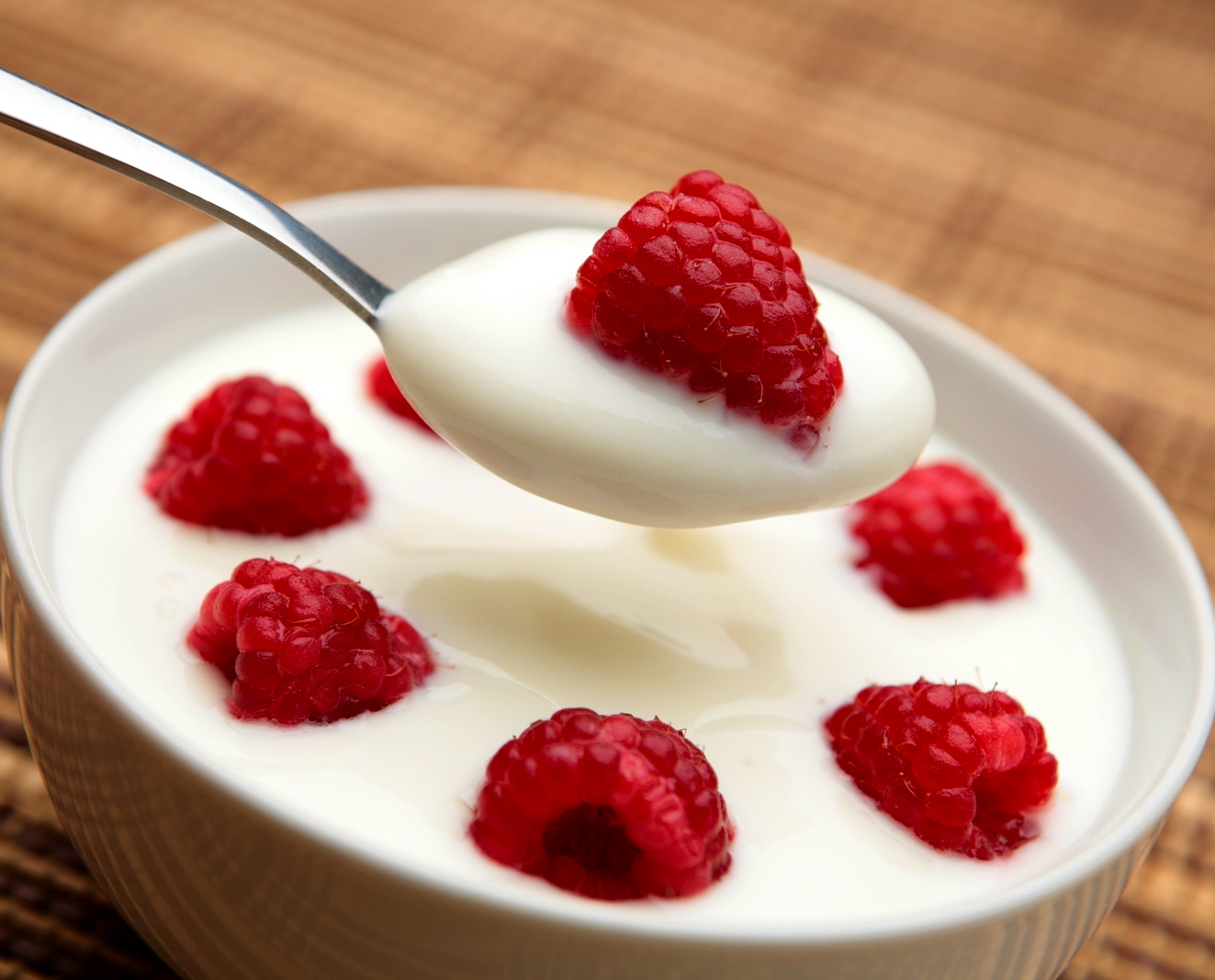
 #6 Yogurt – Possibly the most popular probiotic food is live cultured yogurt or greek yogurt made from the milk of cows, goats, or sheep.
Yogurt in most cases can rank at the top of probiotic foods if it comes from raw grass-fed animals. The problem is there is a large variation on the quality of yogurts on the market today. It is recommend when buying yogurt to look for 3 things. First, that it comes from goat’s or sheep milk, second, that it is grass-fed, and third, that it is organic.
 #7 Kvass – This is a common fermented beverage in Eastern Europe since ancient times. It was traditionally made by fermenting rye or barley, but in more recent years has been created using beets, fruit along with other root vegetables like carrots.
Kvass uses lactobacilli probiotics and is known for it’s blood and liver cleansing properties and has a mild sour flavor.
 #8 Raw Cheese – Goat’s milk, sheep’s milk and A2 cows soft cheeses are particularly high in probiotics, including thermophillus, bifudus, bulgaricus and acidophilus. Always buy raw and unpasteurized cheeses if you want to receive any probiotics.