

Blog
Recent Posts
Are Your Vitamin D Levels Critical?
November 3, 2014
The LeBron James Diet
September 29, 2014
6 Signs You Might Be Dehydrated
August 28, 2014
Archives
Categories
Blog
Are You Secretly Addicted?
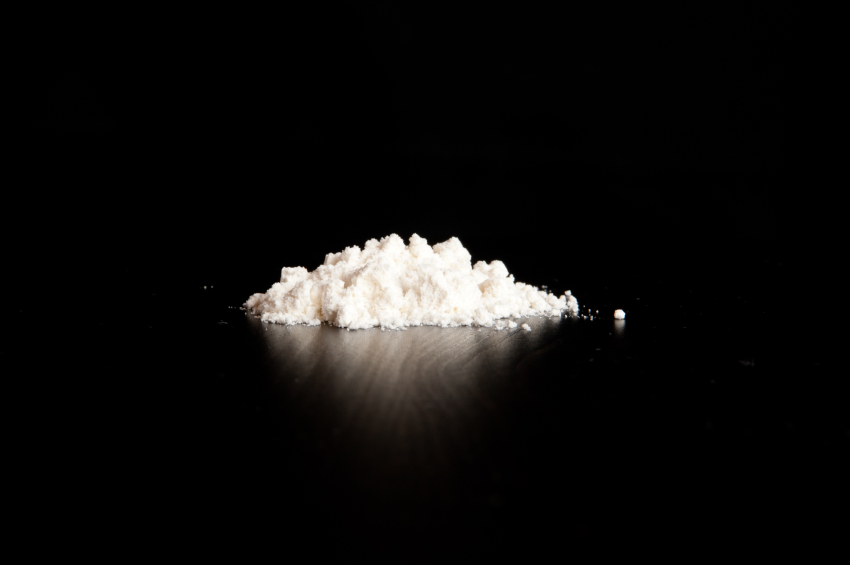 Join me as we take back our taste buds. The food industry has hijacked our taste buds by making sure we stay addicted to processed sugar. It won’t be easy to break the addiction. You may have serious withdrawal symptoms, but it will be worth it, and we are here to help you. You are supposed to have a sweet tooth. It is intended to point you towards berries and fruit, nature's candy, that are loaded with phytonutrients. NOT towards Skittles. Check out this article from The Institute for Natural Healing to learn more.
It’s not in the same class as hard drugs. But maybe it should be.
This “drug” makes your brain light up. It gives your brain the same type of dopamine surge. That’s the “feel good” chemical.1 Even scarier, you don’t even have to be taking it. Just looking at it gives you a rush of the feel good chemicals your brain loves.
And just like drugs, this dangerous compound destroys your health. Even so, some researchers say the jury is still out. They’re not sure it causes the same kind of addiction as hard drugs.
But it’s so powerful that lab animals prefer it to hard drugs. Even if they are already addicted to cocaine. Ninety-four percent of the rats used in a French study chose this substance over cocaine every single time. And if they didn’t get it? They suffered serious withdrawal symptoms.
Kicking this stuff is a painful process. You can experience depression and anxiety. Your brain gets flooded with corticosterone, a stress hormone. Sound familiar?
So what is this common, dangerous substance that puts your body through the same punishment as hard drugs?
Of course, we’re talking about sugar.
The food industry tells you that sugar isn’t the bad guy. That it’s important to practice moderation. And while ideally you shouldn’t eat any sugar, we do agree it should be your choice if you want to indulge. (Even though we don’t recommend it!) But there’s a problem with that…
What if you choose to avoid sugar? You should have that right too. But that’s trickier than it seems.
We recently told you that it uses sneaky aliases and hides in places you wouldn’t expect. It’s added to 80 percent of all processed foods.
It’s no wonder that the average annual consumption of sugar per person has risen from 10 to nearly 150 lbs since 1800.
So it shouldn’t come as any surprise that the number of people diagnosed with diabetes has jumped from 1.5 million in 1958 to 18.8 million in 2010. And those are just the people with an official diagnosis, mind you.
If you think you’re eating too much sugar, you are. But you may not want to give it up cold turkey to prevent withdrawal symptoms. An easy first step is to make the switch from processed sweets to natural fruits. We’re not talking about fruit-flavored sweets, either. In-season strawberries, blueberries, and grapes are plenty sweet. But unlike the sugary junk in vending machines, they actually benefit your health.
When you remove sugar from your diet, you’ll lose weight—along with mood swings and mental fog. Kicking the habit will lower your risk of dying from diabetes, heart disease and premature aging.